Located in the Atherton Tablelands of Far North Queensland, the Mabi Forest is one of Australia’s most endangered rainforest ecosystems.
Reforest is currently supporting two planting sites within the Mabi Forest Restoration Project. This update shares progress from the two sites, highlighting early restoration outcomes, biodiversity observations, and how growing partnerships with Traditional Owners, community leaders, and project partners have supported this work over the past 12 months.
Mabi Forest Restoration: Recovering a Critically Endangered Rainforest
The Mabi Forest Restoration project is helping recover one of Australia’s most endangered rainforest ecosystems, once widespread across the Atherton Tablelands. Today, less than 4% of this unique forest remains after extensive clearing for agriculture and forestry.
By replanting endemic Mabi Forest species and rebuilding habitat for native wildlife, the project is restoring cleared land using proven tropical restoration techniques and ongoing monitoring to strengthen landscape connectivity and support long-term ecological resilience.
This project takes place on the traditional lands of the Ngadjon-jii and Tableland Yidinji peoples. These Traditional Owners hold deep cultural, spiritual, and historical connections to the Mabi Forest and its ecosystems. Their knowledge, care, and custodianship continue today and are central to efforts to protect and restore this unique landscape in partnership with local communities.
We are proud to be part of the Mabi Forest Restoration collective, bringing together the Traditional Owners of the land, Terrain NRM, and the businesses and local communities supporting on-ground restoration. Each partner brings knowledge, resources, and effort, working together to restore this critically endangered ecosystem.
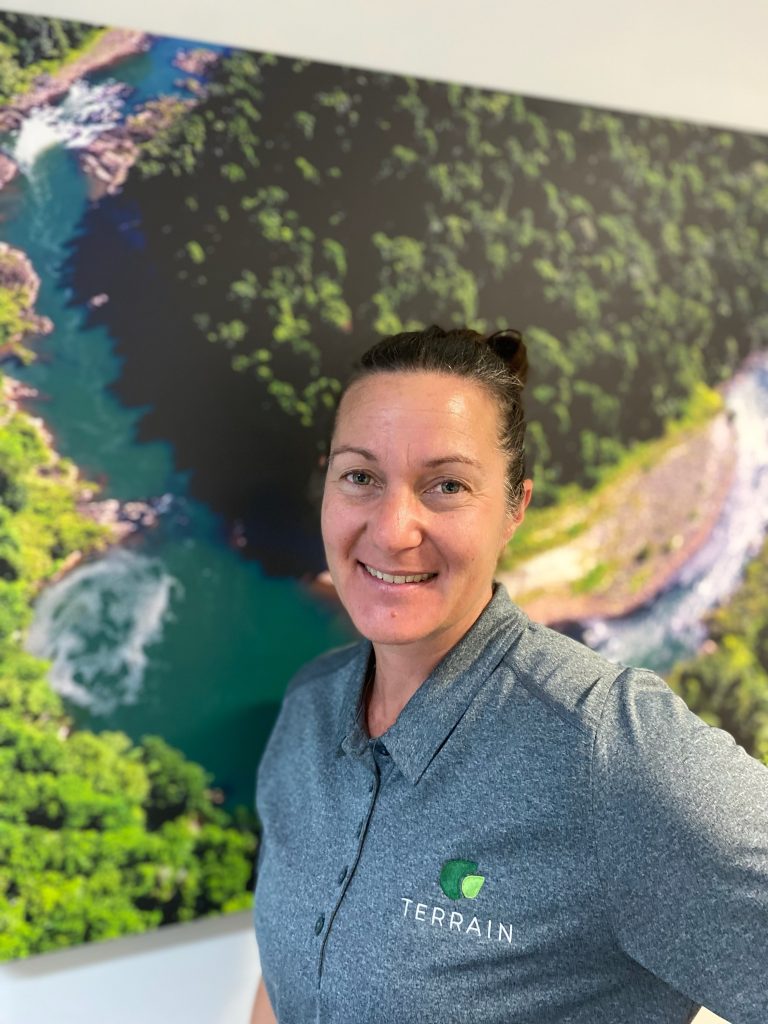
“Tableland Yidinji have lived here for thousands of years and these forests carry our stories. Restoring the rainforest helps heal Country. I was at the Mabi Forest planting in January 2025 and I love seeing how well the trees are growing now.”
– Tableland Yidinji person, Renae Joseph
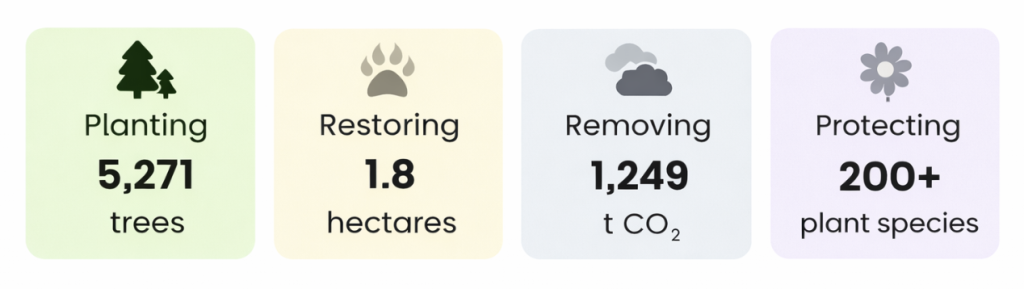
Collective Impact So Far
Biodiversity Thriving in the Mabi Forest Restoration Zone
Situated in Tropical North Queensland, the Mabi Forest is characterised by a tall canopy of trees, thick undergrowth, and rich diversity of plant and animal life. It is estimated that up to 70% of the plants and animals in the Mabi Forest are unique to this region.
The Mabi Forest’s ecological complexity supports a high diversity of wildlife, with its thick vine layers and diverse tree strata offering critical shelter, food and breeding sites.
Flora
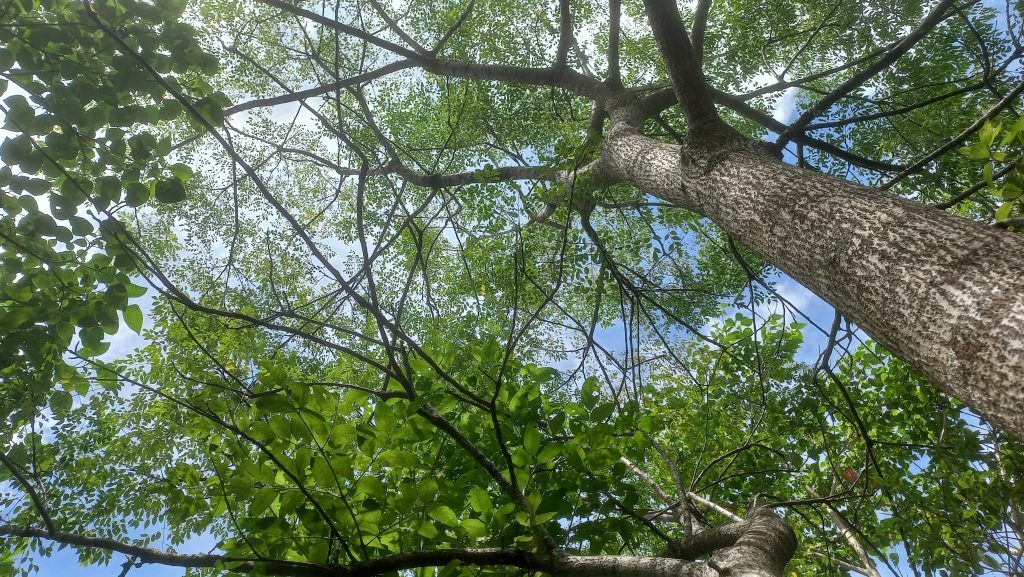
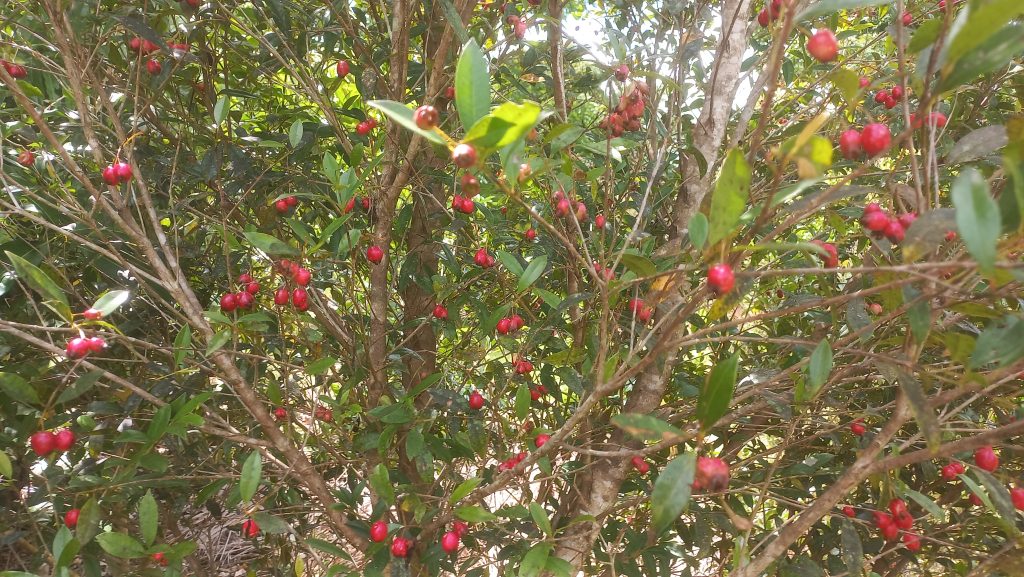
Endemic rainforest species: More than 200 species of trees and plants are integral to Mabi Forest structure and function, including key canopy and sub-canopy species that support complex wildlife habitats.
Restoration-focused plantings: Native seedlings have been strategically planted to support structural complexity, improve soil health, and enhance forest connectivity.
Fauna
Our planting sites sit alongside patches of existing native forest that have been left fragmented over time. By planting trees between these areas, we are helping reconnect the landscape and create natural corridors back into the remaining Mabi Forest.
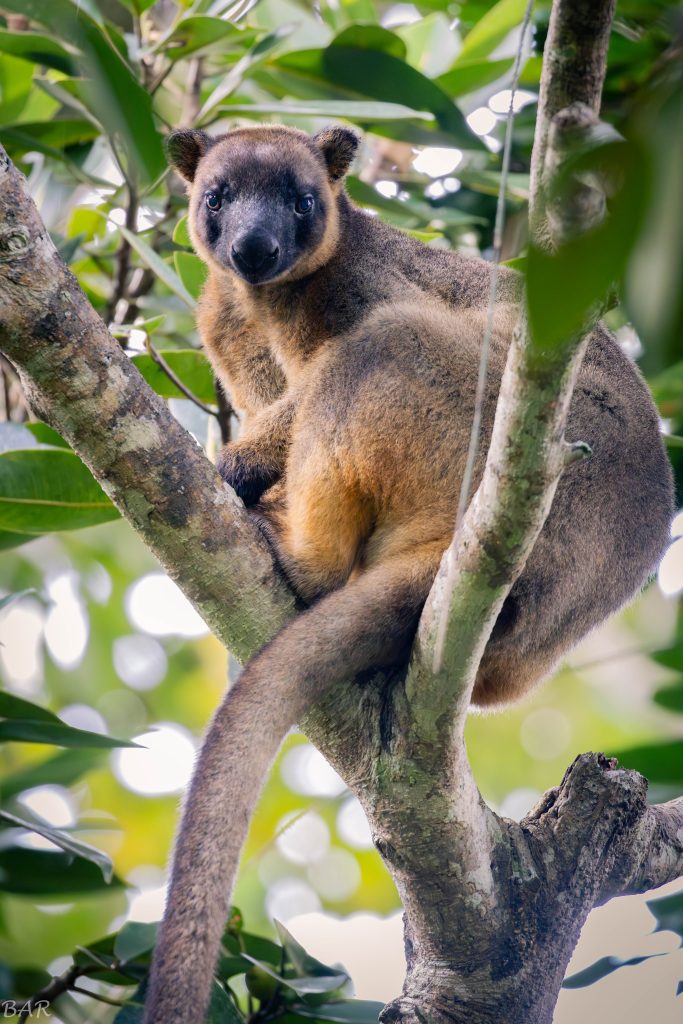
As these trees grow over the coming years, they will allow species like tree kangaroos and other native wildlife to safely move between forest areas. This expansion of connected habitat gives animals more space to feed, shelter, and breed, strengthening the long-term health and resilience of the Mabi Forest ecosystem.
The Mabi Forest is named after the local Indigenous word for Lumholtz’s Tree-kangaroo, also known as the mabi or mapi, one of the most iconic mammals in this forest type.
Thanks to its dense plant life, the forest supports a rich range of wildlife, including more than 10 frog species, 126 bird species, 2 reptiles, and 27 mammals. It is especially important for birds, with at least 126 species recorded, including 12 of the 13 bird species found only in the Wet Tropics.
Together, these plantings are helping bring the forest back together. They are rebuilding connections across a fragmented landscape and protecting one of the most biologically rich forest types in the Wet Tropics. By reconnecting habitats and supporting species like the Lumholtz’s Tree-kangaroo, each tree planted helps give wildlife more room to move, feed, and thrive, both now and into the future.
“Mabi Forest is one of the most endangered forest types in Australia, with less than 4% of its original extent remaining. It’s found nowhere else on earth, making it critical that we work together to revegetate and restore it.”
– Bryony Barnett, Chair, Barron Catchment Care
12 Months of Mabi Forest Restoration: What’s Growing and Thriving
Both of our planting sites in the Mabi Forest show strong progress and encouraging signs for the future of this unique ecosystem.
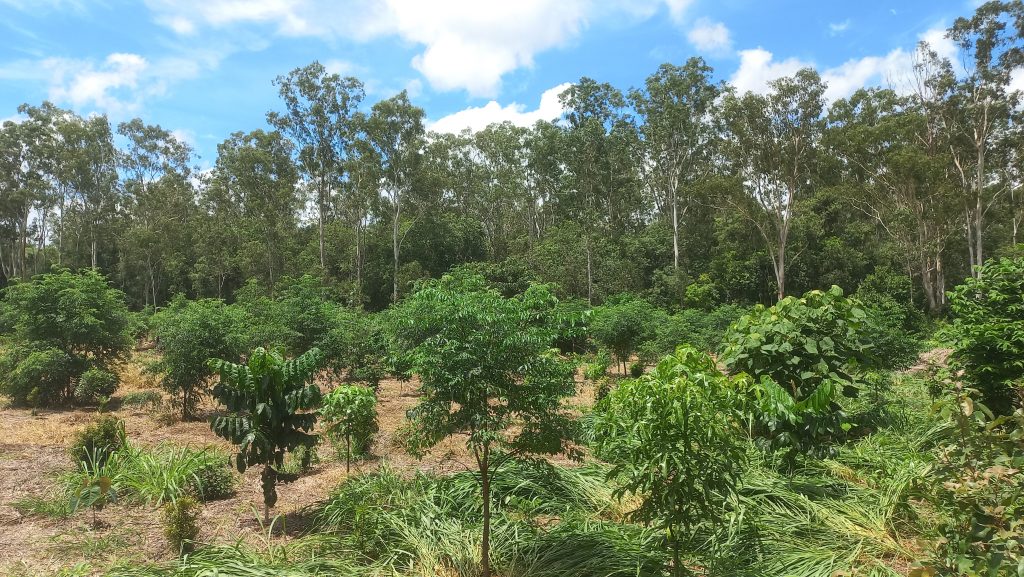
Our first Mabi Forest planting site was established in April 2023, nearly three years ago. Since then, the trees have grown healthily, with many now reaching several metres in height. Some species are already fruiting, and native fruit pigeons have been spotted by the team at Terrain using the site. It’s incredibly rewarding to see this area beginning to provide food and habitat for wildlife less than three years after planting.
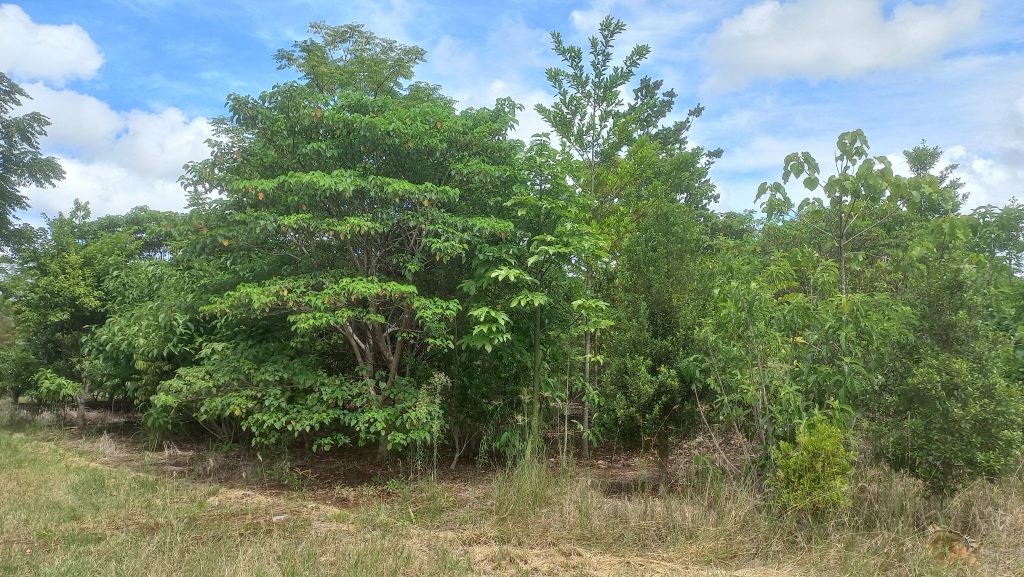
The second planting site, established in January 2025, is also thriving. While the trees are still young, they are growing well and looking strong. Several fast-growing pioneer species have already reached a couple of metres in height within their first year. These early growers play an important role by creating shelter and protection, helping to support the slower growing rainforest species that will follow and shape the forest over time.
How Our Community is Powering Mabi Forest Restoration
The Mabi Forest Restoration project is being shaped by a growing community of tourism operators, venues, and event organisers who believe travel should give back more than it takes. Across Far North Queensland, our partners are showing what leadership in regenerative tourism looks like through small, consistent actions that add up to meaningful, long-term impact to restore one of Australia’s most endangered rainforest ecosystems.
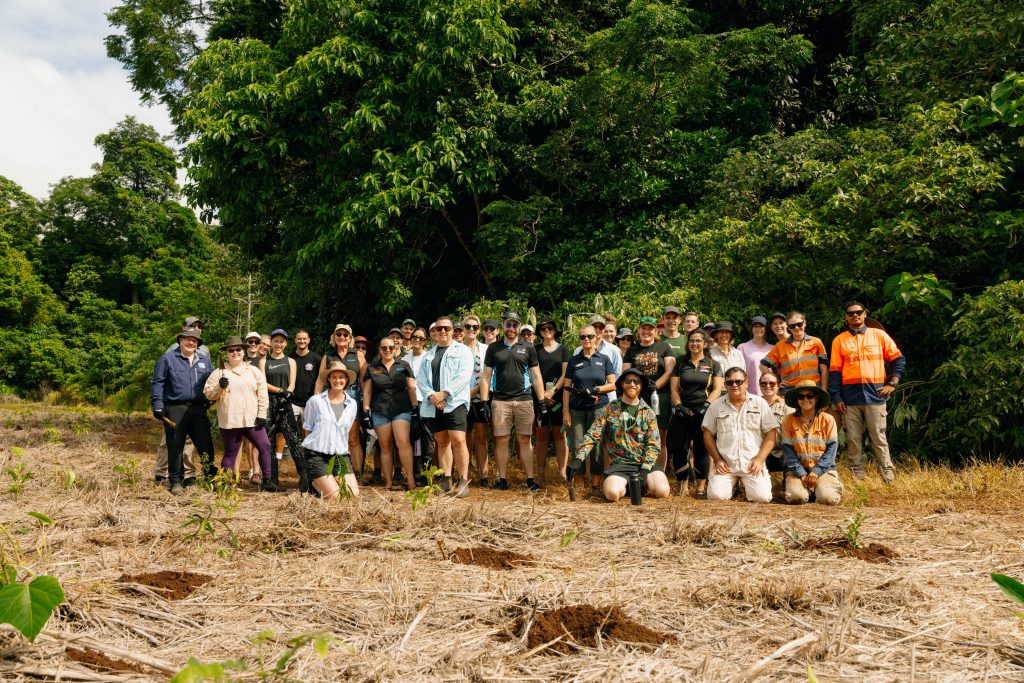
Small World Journeys, who operate multi day tours for student groups, embed sustainability into every experience they offer. Their carbon removal program with Reforest is one of many initiatives built into their approach to tourism, showing how education, travel, and climate action can work together to leave places better than they were found.
Kuranda & Outback Tours contributes a portion of every tour ticket sold to the project, with monthly contributions linked directly to their operational fuel use. Their tours focus on educating visitors about the Wet Tropics while supporting local conservation through tree planting in the Mabi Forest.
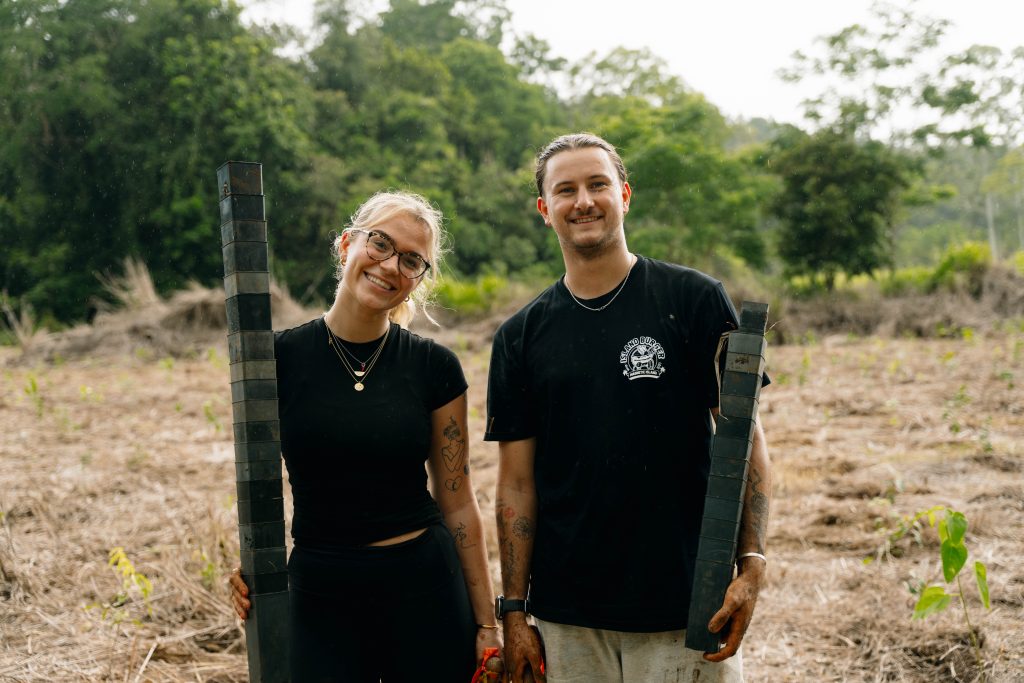
On Magnetic Island, Island Burger at Nomads Magnetic Island turns everyday dining into climate action by contributing a portion of plant-based burger sales to tree planting initiatives. It means a good burger doesn’t just taste good, it does good too, turning a simple meal into a feel-good experience and showing how sustainability can fit naturally into everyday life.
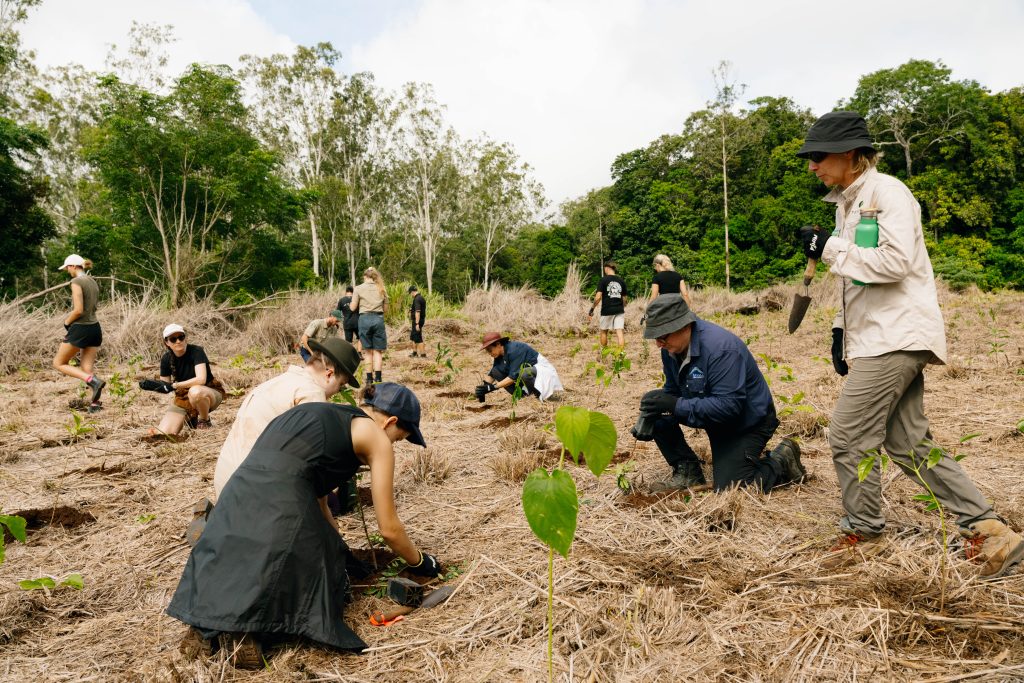
Events are also playing a powerful role in turning large gatherings into opportunities for positive climate action. Through a partnership with Reforest, the Cairns Convention Centre offers a program that invites events to incorporate local climate action into their experiences for every attendee. The Breast Cancer Trials 45th Annual Scientific Meeting, DestinationQ, and the upcoming International Conference on Mycorrhiza (ICOM) 2026 are embracing this initiative, showing delegates that conferences and celebrations can have a positive climate impact.
Together, our community of partners are showing that businesses of all sizes can help restore the Mabi Forest, and that collective action through regenerative tourism can protect what makes Far North Queensland so special.
Want to help restore Mabi Forest?
Join a growing community of businesses turning everyday activity into lasting environmental impact.
Connect with our team to explore how your organisation can become part of the Mabi Forest Restoration collective and help grow a living legacy in one of Australia’s most endangered rainforest ecosystems.
